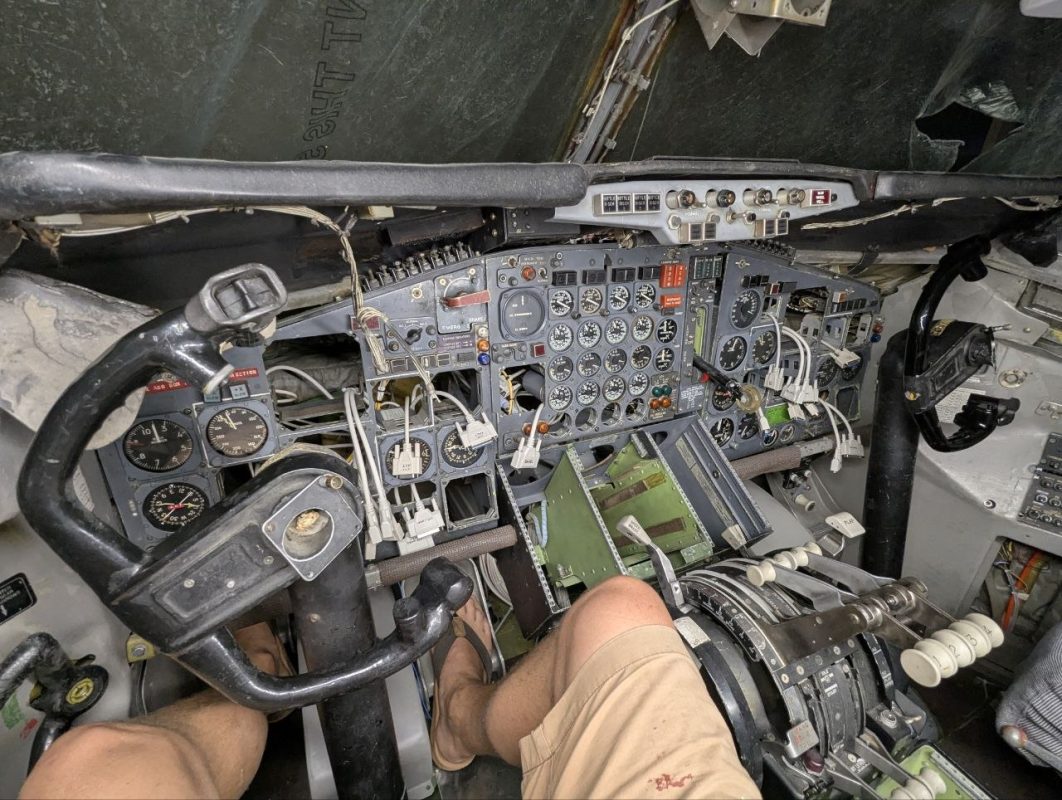
It’s been a while since my last update, but the project is continuing to move forward—slowly, but steadily.
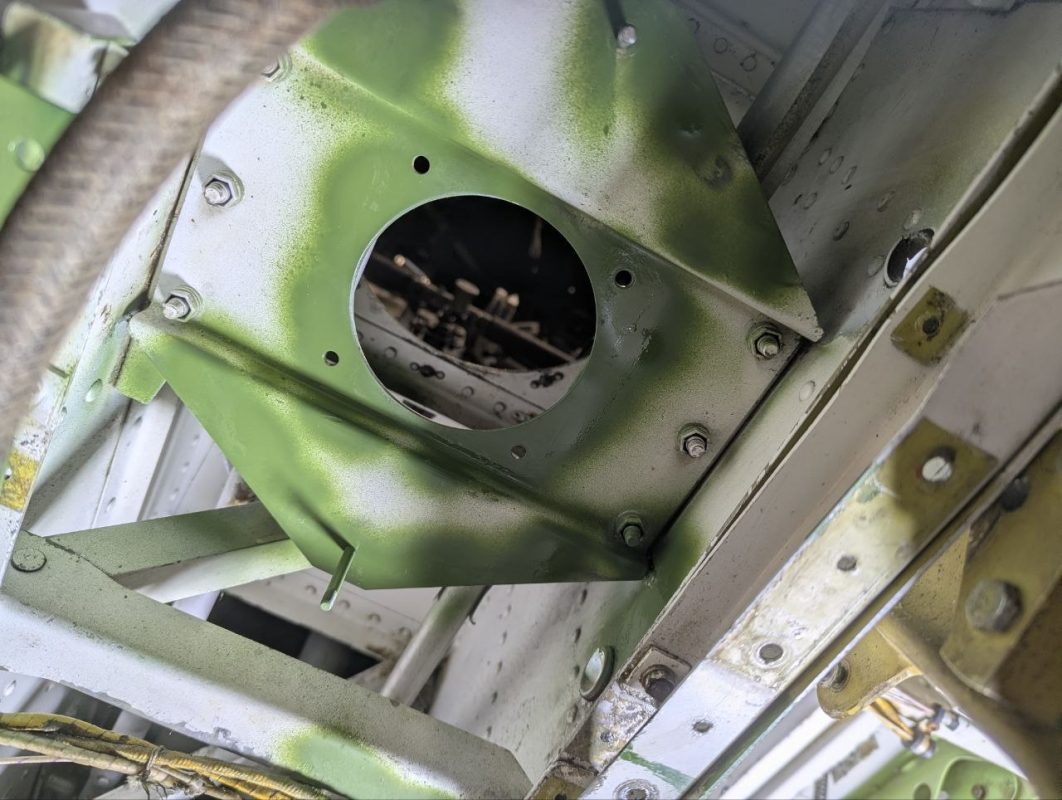
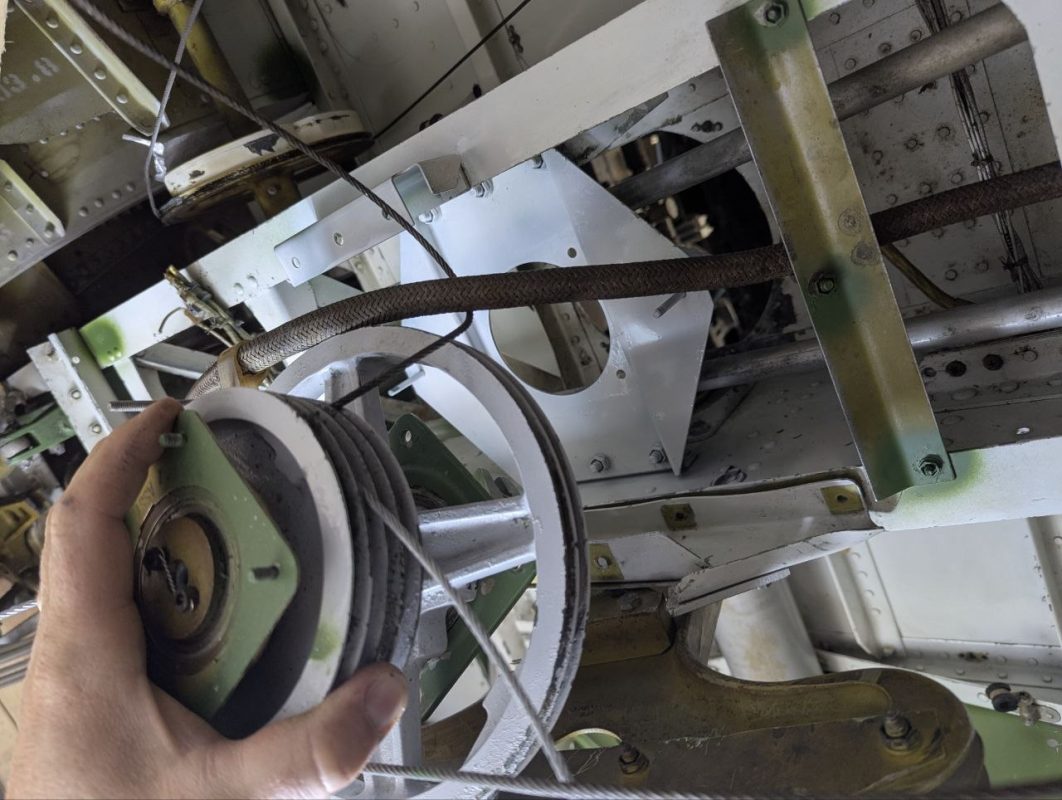
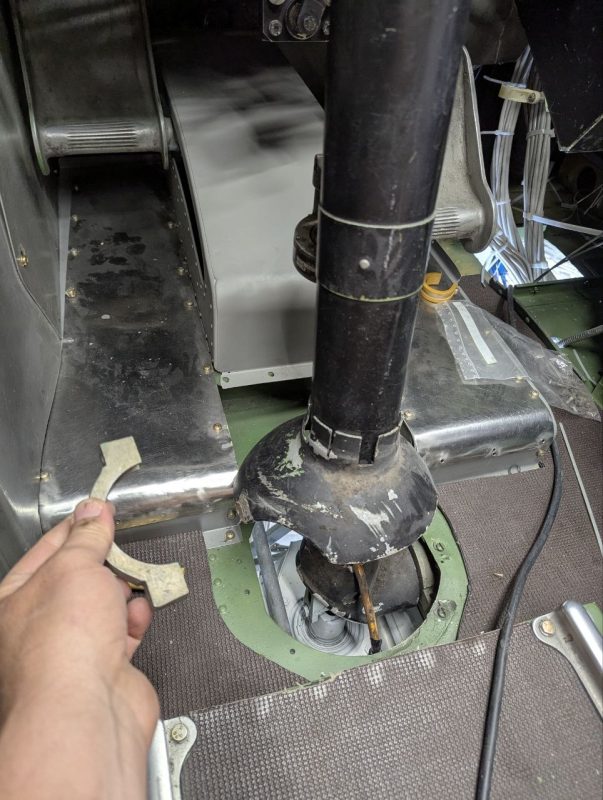
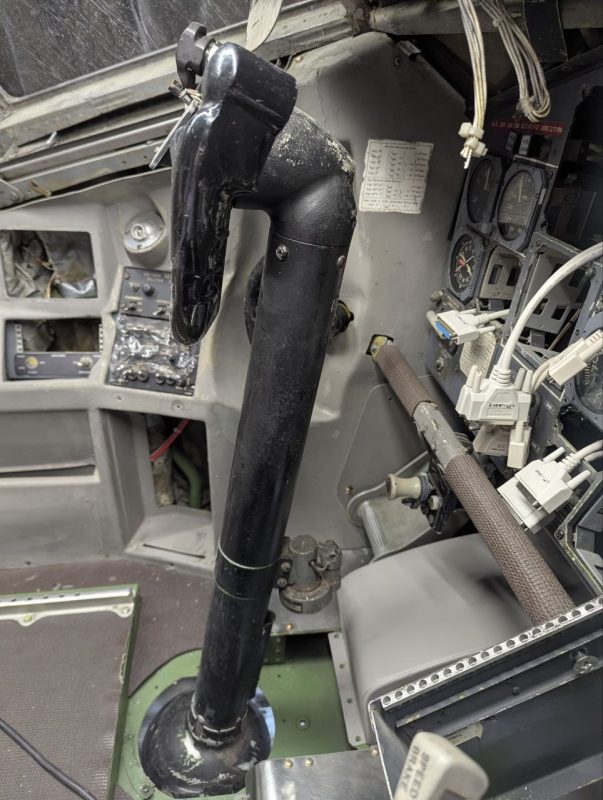
Both control columns have now been reinstalled. Before doing so, I removed the complete control column support assemblies, cleaned them thoroughly, lubricated all moving parts, and installed new control cables. Thanks to a very helpful reference photo, I was also able to determine the correct installation angle. When the control column is locked in the proper detent, it has a forward inclination of 10.54°.
During the aircraft’s scrapping, most of the steel cables were simply cut, which means I will eventually need a hydraulic crimping tool to manufacture new control cables with the correct end fittings.
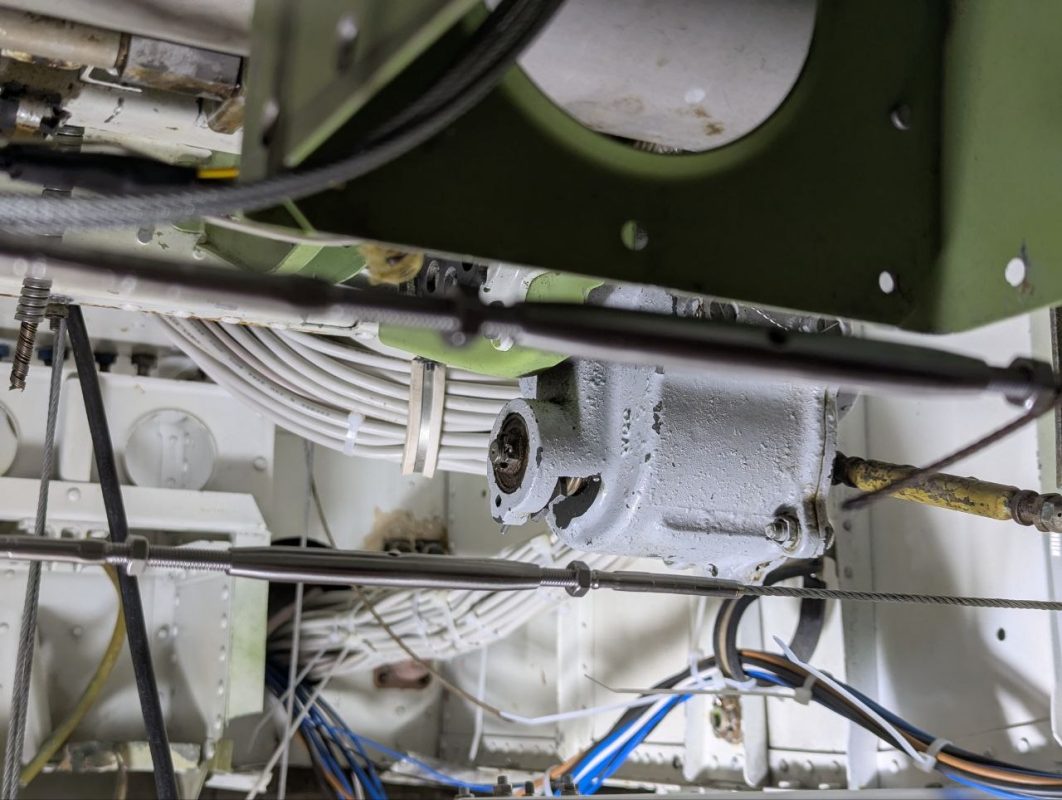
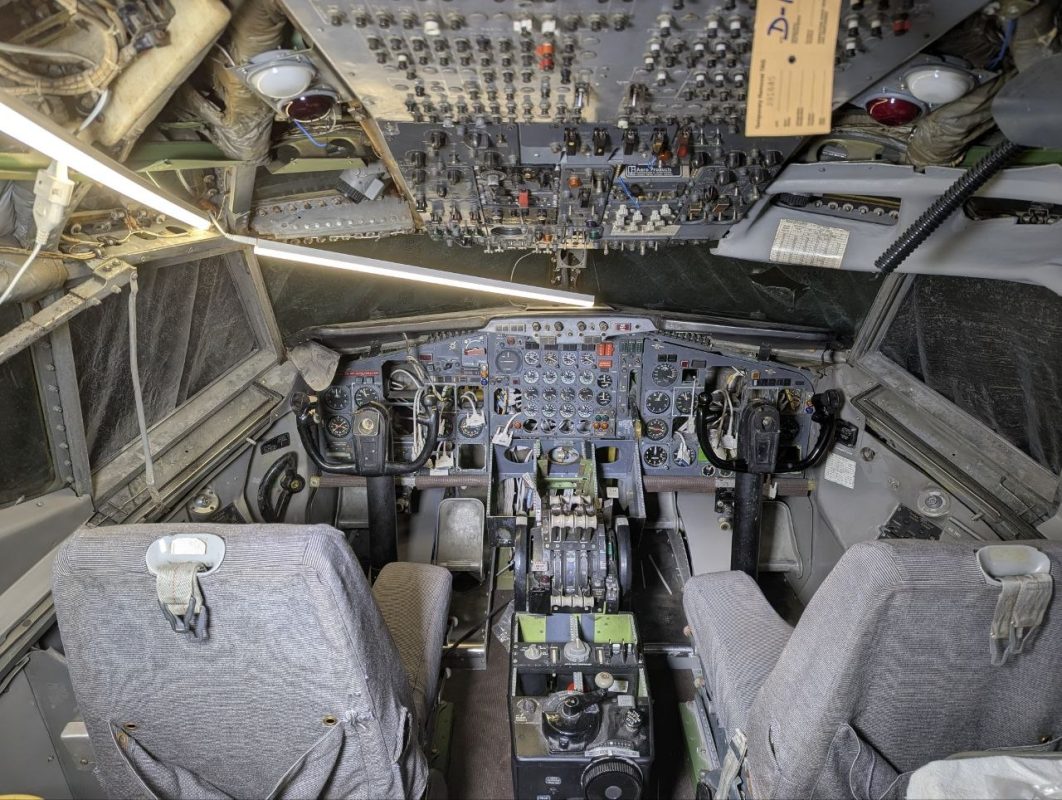
With the new cables installed, I was finally able to reconnect both control yokes. The two yokes are interconnected by steel cables, while the pitch and roll axes are transmitted through robust mechanical linkages. Tensioning the interconnect cables is definitely a two-person job, as both yokes must be held perfectly centered while the cables are adjusted.
I also reinstalled the tiller. Initially, it only moved through about half of its original travel because both the shaft and one of the connecting rods had been badly bent during scrapping. Fortunately, a bit of careful straightening and some machining on the milling machine allowed me to restore the mechanism without having to remove the entire assembly.
The control loading system will be added at a later stage.
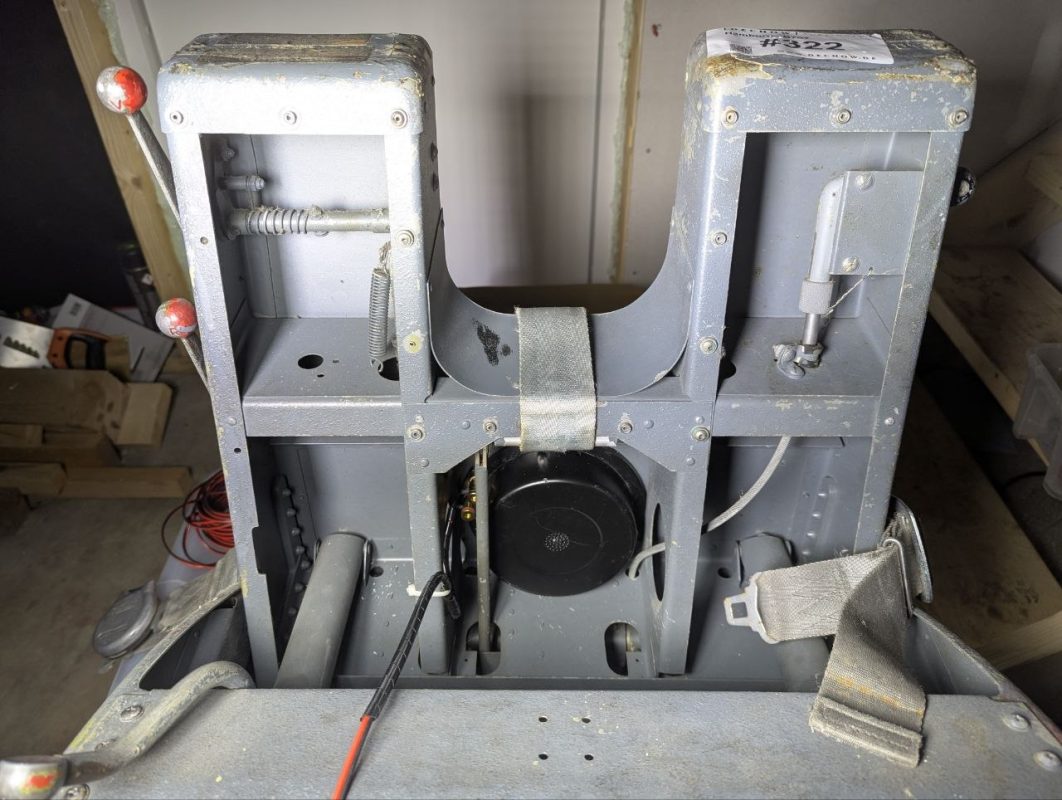
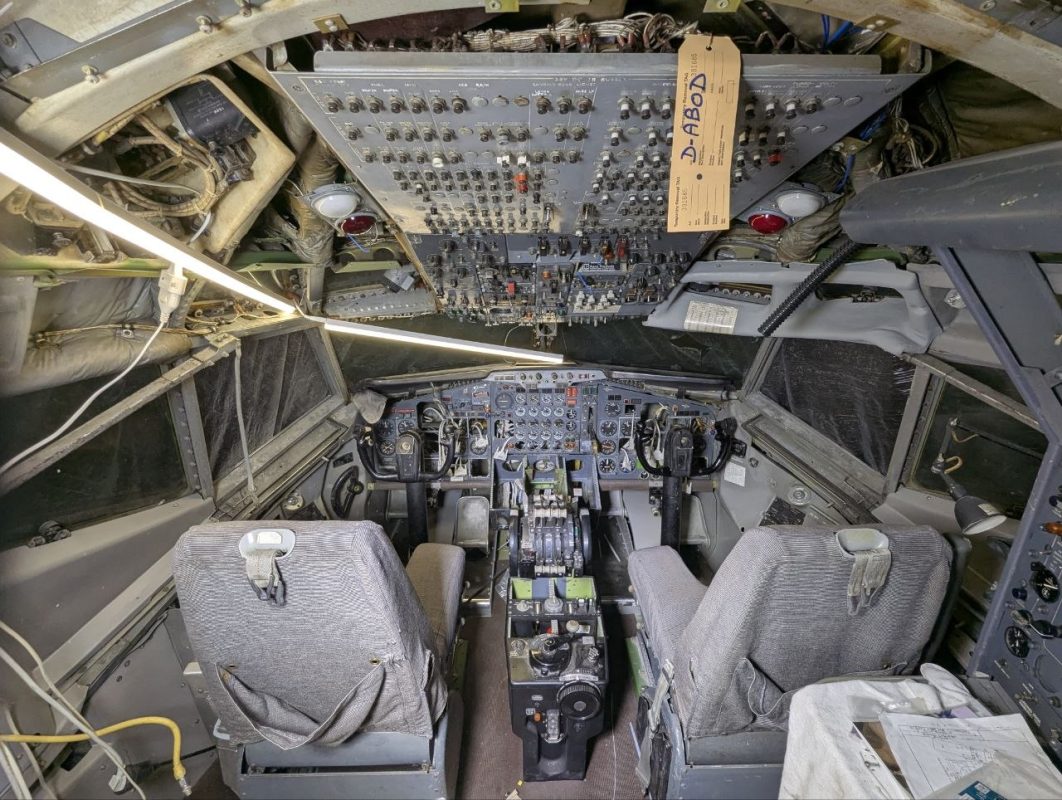
Finally, both pilot seats are back in place. I have fitted each seat with a bass shaker, just like in the Caravelle simulator. They make a remarkable difference and add a great deal of realism to the overall simulation experience.
I have also started installing the first components of the electrical system and the circuit boards. It’s exciting to see the aircraft gradually coming back to life. With every new part that is installed, the day when the simulator is powered up for the first time gets a little closer.